Lifestyle Brand Marketing in India: Making Handmade Work Look as Good Online as in Hand
A guide for founders of jewellery, craft, décor and furniture brands: why good products look ordinary online, what fixes it, and when an agency is worth it.
A hand-knotted rug, a resin table or a polki necklace usually sells itself once it is in someone's hands. The weight, the finish and the detail do the work. Online, none of that comes through on its own.
Lifestyle brand marketing is the work of carrying that feeling onto a screen, so a buyer who has never seen your workshop or showroom trusts the piece enough to enquire, visit or order. This guide draws on six lifestyle brands we have worked with, four of them in Jaipur.
Why considered products look ordinary online
Makers usually have the hard part already. Kaleen India has over 60 years in textiles and runs production from yarn to finished rug. Dhabriya Polywood has made uPVC and PVC products since 1992, from five facilities. Seventh Element's founder brings four decades of metal craftsmanship.
The gap is in how that reaches people. The briefs we get repeat the same problems: a thin digital presence, no defined brand voice, not enough quality content, and a brand that looks older than the product.
What the work looks like, brand by brand
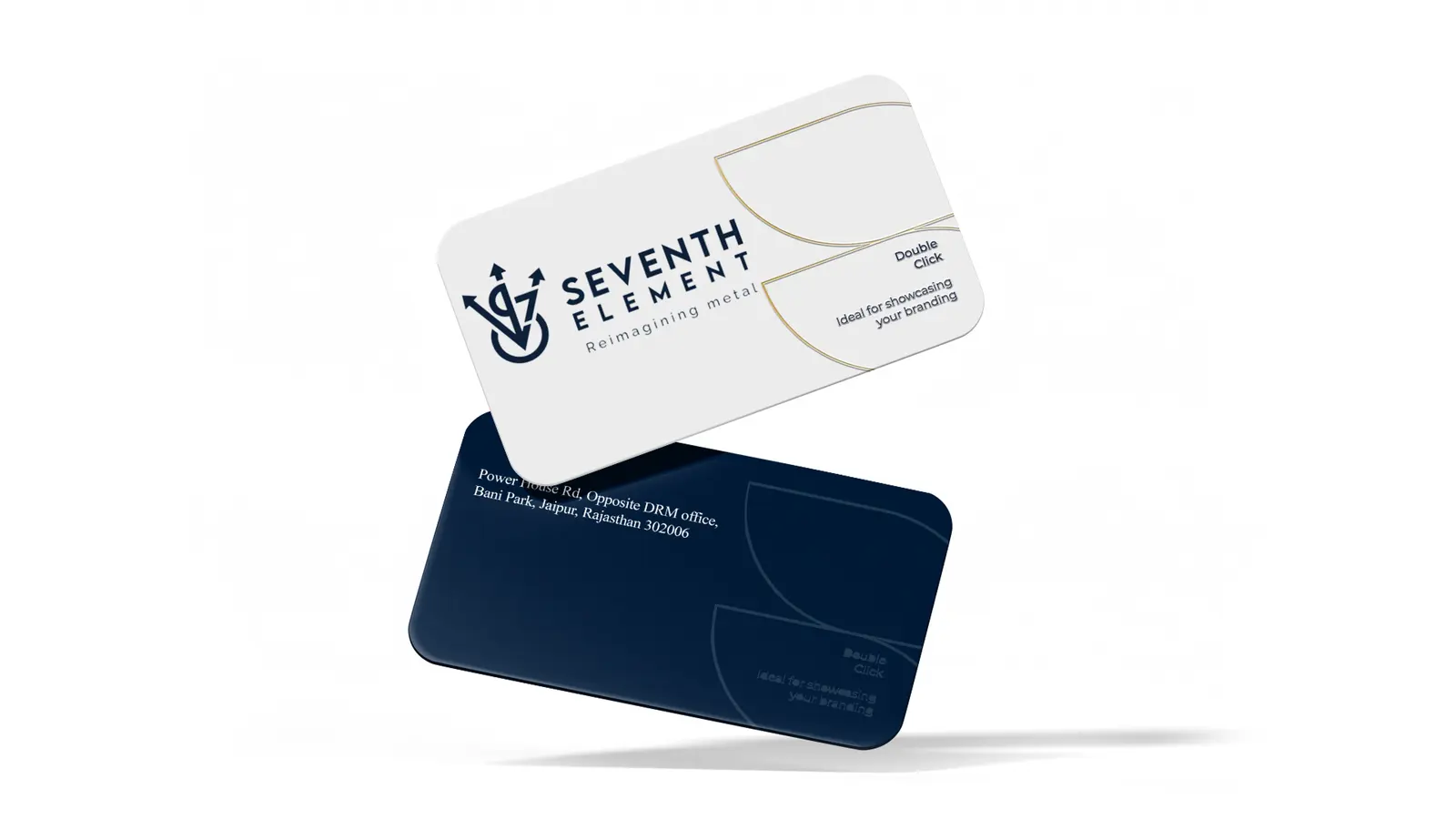
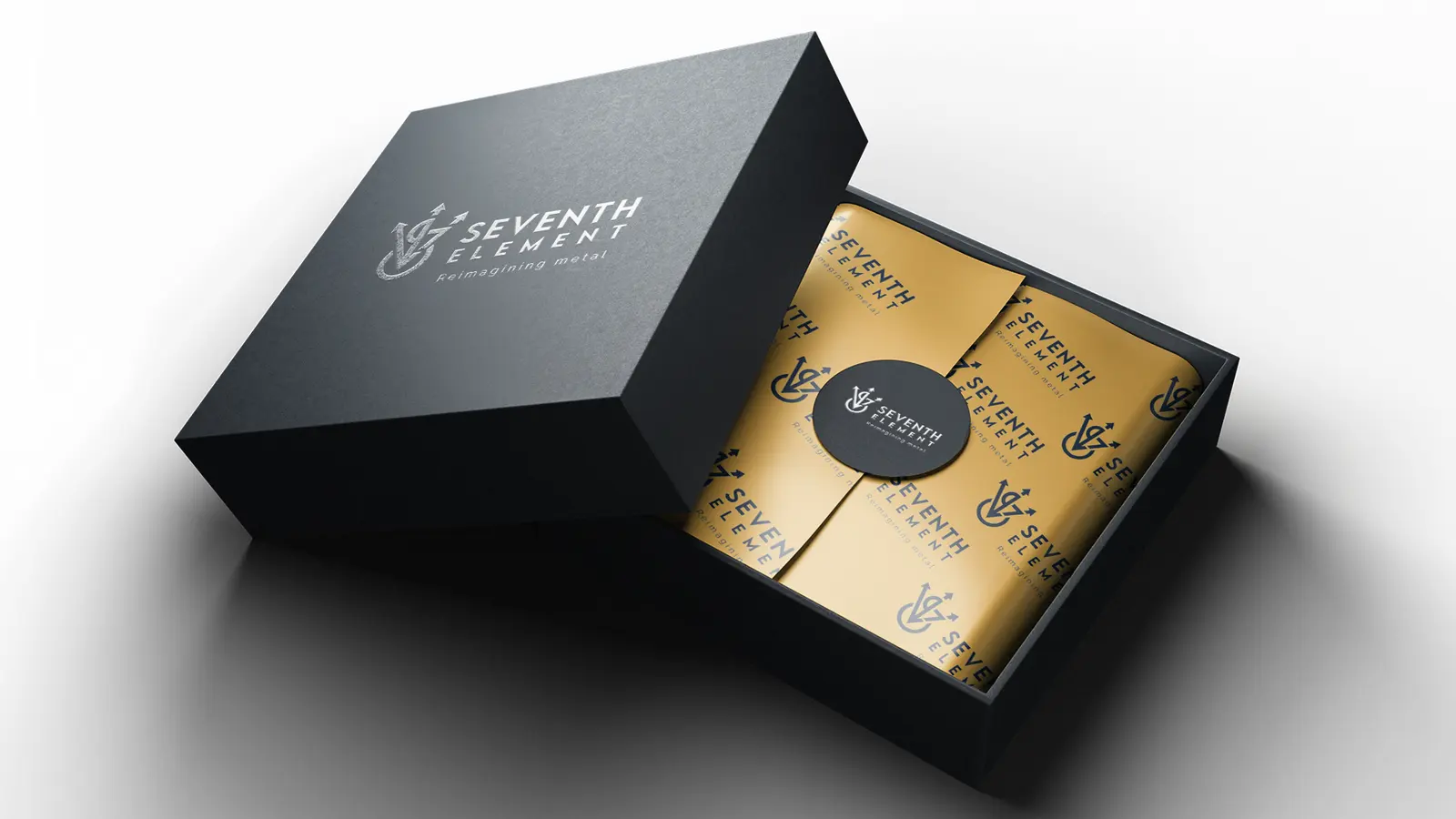
Seventh Element makes tableware, décor and trophies in metal, custom made and exported. Its problems were visibility, B2B networking and overall branding. We built the identity, tone of voice, content and film, the website and the customer journey, and suggested new business verticals. In the team's words, POM was key to launching their new ventures: "multiple business verticals, branded from the ground up."
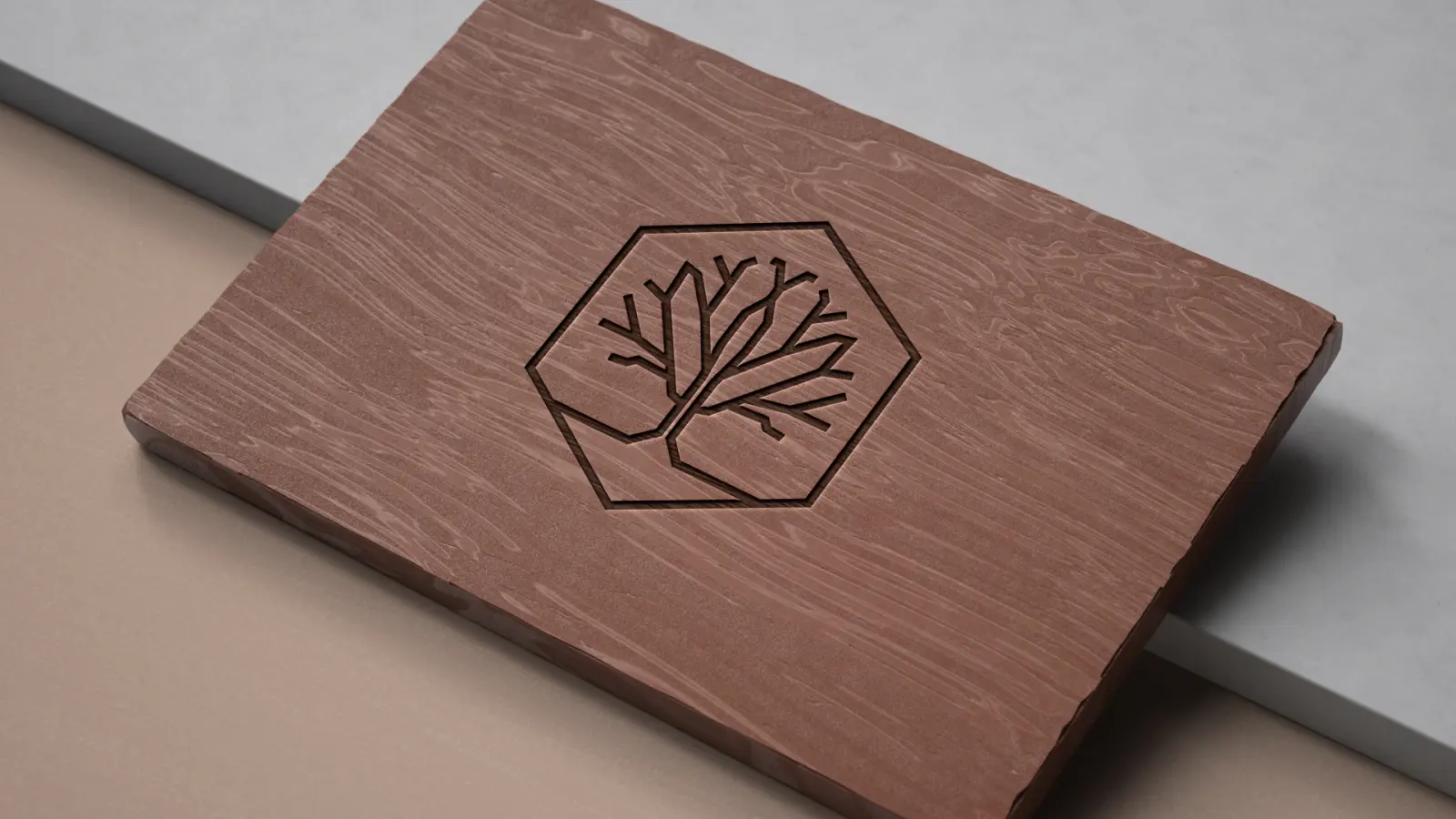
Epoxyium, from Indian Wood Craft in Jaipur, turns salvaged timber and epoxy resin into handcrafted furniture. It started with no brand identity, no unified content strategy, a low advertising budget and no shoots for a long time. The work was social media, content, campaign planning and performance marketing, aimed at connecting local craft with buyers abroad.
Dhabriya Polywood is a BSE-listed maker of eco-friendly uPVC and PVC products with a "Save Trees" mission. We redesigned the website and the customer journey, unified the brand presence and took over social, so the content sells the panels and the purpose behind them.
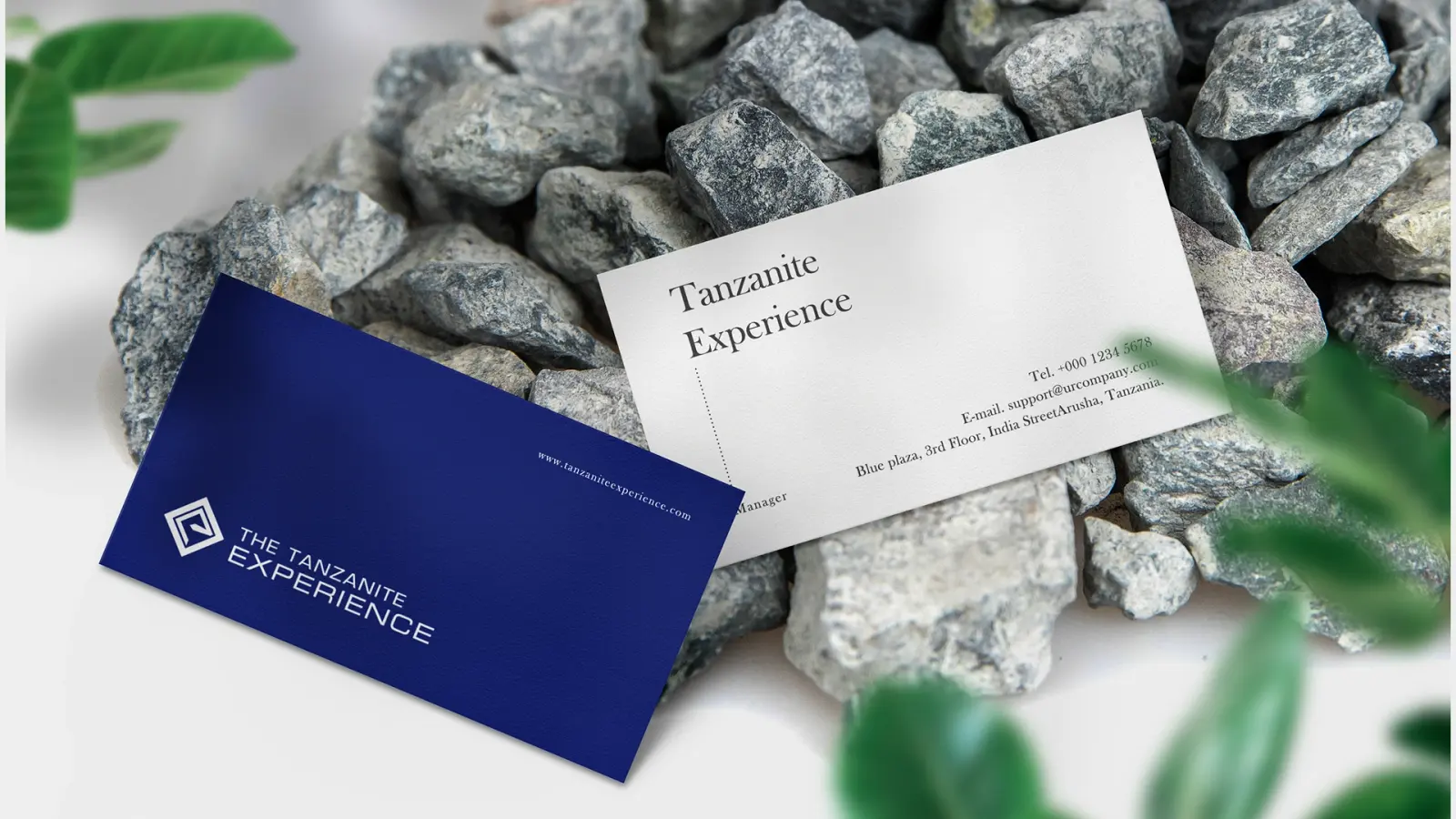
For jewellers, the job is trust. Tanay Jewellers, a Jaipur house known for heavy polki and gold, wanted to take its name to brides across India. Our jewellery branding guide covers that work. The fuller stories of Kaleen India and Tanzanite Experience have their own posts.
What to get right first
- Photography and film made for the material. Metal flares, stones go flat and texture disappears under careless light, so shoot with a team that plans for it. Ours is in-house production.
- One identity and one voice everywhere a buyer looks: the feed, the website, the catalogue and the box. That is brand identity and packaging design working together.
- A website that shows each piece properly and makes it easy to ask, visit or order.
- Reviews and replies. Online reputation management was in scope for Kaleen, Tanay, Tanzanite and Seventh Element, because buyers read reviews before spending on something meant to last.
- Real people using the piece. Customer and creator content shows size, weight and how it looks at home. UGC creators were hard to find on both jewellery projects, so plan for it early in your social media.
When the founder is the brand
Many craft businesses are built on one person's skill. That is an asset, because a founder's story is hard to copy. It is also a bottleneck.
At Seventh Element, the founder's limited time was one of the main challenges. At Kaleen and Polywood, long approval chains slowed creative work. Agree early who signs off, and plan content that does not need the founder at every shoot. Our founder branding work is built for exactly this.
Do you need an agency?
Perhaps not, if your photographs already do the product justice and someone on your team keeps the feed, the site and the reviews consistent.
You probably do if the product is ahead of how it looks online, if you sell to buyers who will never visit, or if your brand sounds different depending on who wrote the post.
Start with an honest read of where you stand. Our free brand score needs only your website or Instagram link, checks it against fixed rules and tells you what to fix first. Then look through the case studies for Seventh Element, Epoxyium and Kaleen India to see the work up close.
Questions people ask
What is lifestyle brand marketing?
It is the strategy, identity, content and reputation work that helps jewellery, craft, décor, furniture and home brands sell considered products online. The aim is for the photographs, words and reviews to show the same quality a buyer would feel in hand.
Can you photograph and film handmade products?
Yes. Content creation and cinematography were part of our work for Kaleen India, Seventh Element, Tanay Jewellers and Tanzanite Experience, planned and shot by our in-house production team.
We sell to buyers abroad. Can you help?
Yes. Seventh Element exports, Epoxyium and Tanzanite Experience ship worldwide, and Kaleen India sells in the global floor-covering market. When the buyer cannot hold the piece, the website, content and reviews have to do more of the work.
Where do we start?
With the free brand score, or a discovery call. We look at your identity, online presence and reputation, and tell you plainly what to fix first.
Filed under Guides. Written by the strategists at PixelOMedia, Jaipur.
Brand identity design from our Jaipur studio: logos, identity systems, guidelines and decks people remember and trust.
 The full case studySeventh Element