
SEO vs. Branding: Why You Need Both (and How They Work Together)
SEO gets you found by people who are already searching. Branding decides whether they choose you, and whether they search for you by name next time.
SEO and branding are not rivals. SEO makes sure you appear when someone searches for what you sell. Branding makes sure they recognise you, trust you and pick you once you appear. You need both because each one covers the other's weak spot: a brand nobody can find stays small, and a page that ranks but feels anonymous loses the click to a name people already know.
The real question for most founders is which one to fund first, and how to make every rupee do both jobs. That is what this guide answers.
What is SEO, and what is branding?
Google describes SEO as helping search engines understand your content and helping people find your site and decide whether to visit it. In practice that means three things: a site that search engines can crawl and that loads properly, pages that answer the questions your buyers type, and enough mentions and links from elsewhere that Google treats you as a credible source.
Branding is the set of decisions that make a business recognisable and preferred: positioning, name, visual identity, tone of voice and the experience people have with you. It works before anyone searches, by putting your name in their head, and after, by making your result the one that feels safe to click. Our guide on how to build a brand identity covers the process step by step.
SEO vs branding: the key differences
Side by side, the two differ in what they do, how you measure them and how fast they move:
- Goal. SEO: be found by people who are already looking. Branding: be the name they prefer, before and after they look.
- Buyer stage. SEO meets demand that already exists. Branding creates demand and shapes which option feels right.
- Measured by. SEO: impressions, rankings, clicks and enquiries from searches that do not include your name. Branding: recall, searches for your name, reviews, repeat customers and the price people will pay.
- Time to impact. Both compound. Technical SEO fixes are often the quickest wins; authority and recognition take months of consistent work.
- Ownership. Both are assets you own. Ads stop the day the budget stops; a page that ranks and a name people remember keep working.
- Cost of ignoring it. Skip SEO and buyers who search never meet you. Skip branding and the ones who do have no reason to pick you over the next result.
How branding makes SEO work better
Search engines try to rank sources people can trust, and brand is how trust shows up on the open web. Google's guidance on helpful content looks for experience, expertise, authoritativeness and trustworthiness, and calls trust the most important of the four. E-E-A-T is not a specific ranking factor, but a business people talk about, review and link to gives Google far more evidence than an anonymous site. Brand work turns into search performance in four places:
- Branded search. When people remember your name, they search for it. Those are the easiest clicks you will ever win.
- Links and mentions. Google's SEO Starter Guide calls word of mouth one of the most effective and lasting ways to get a site known. People link to businesses worth talking about, not to pages that exist only to rank.
- Local results. Google says local ranking weighs prominence, which it defines as how well-known a business is, including how many websites link to it and how many reviews it has. For a hotel, clinic or showroom, reputation work is search work.
- The click itself. On a results page of ten similar listings, a name the searcher recognises, a clear title and good reviews often win the click over a slightly higher position.
Even the site name Google shows above your result depends on brand. Google's documentation says a generic name such as 'Best Dentists In Iowa' is unlikely to be picked as a site name unless it is already a well-recognised brand. A distinctive name is easier to remember and to search for.
How SEO makes branding work harder
Branding without search leaves you invisible at the moment of need. Many purchases, from a hotel stay to a B2B supplier, include a search somewhere: to read reviews, compare prices or check that the company is real. SEO decides what people find in that moment.
Good SEO also sharpens the brand. Keyword research shows the words customers actually use for your category, which are often not the words your team uses. Search Console shows which questions bring people to you. That is free, honest research for positioning and content.
And SEO protects the brand. When someone searches your name, the first page should be yours: your website, your Google Business Profile, your social profiles and reviews you have replied to. If an outdated listing or a competitor's ad fills that page instead, the brand you built elsewhere leaks away at the last step.
Where SEO and branding overlap in practice
The overlap is where the best returns sit, because one piece of work pays twice. Two examples from our own client work:
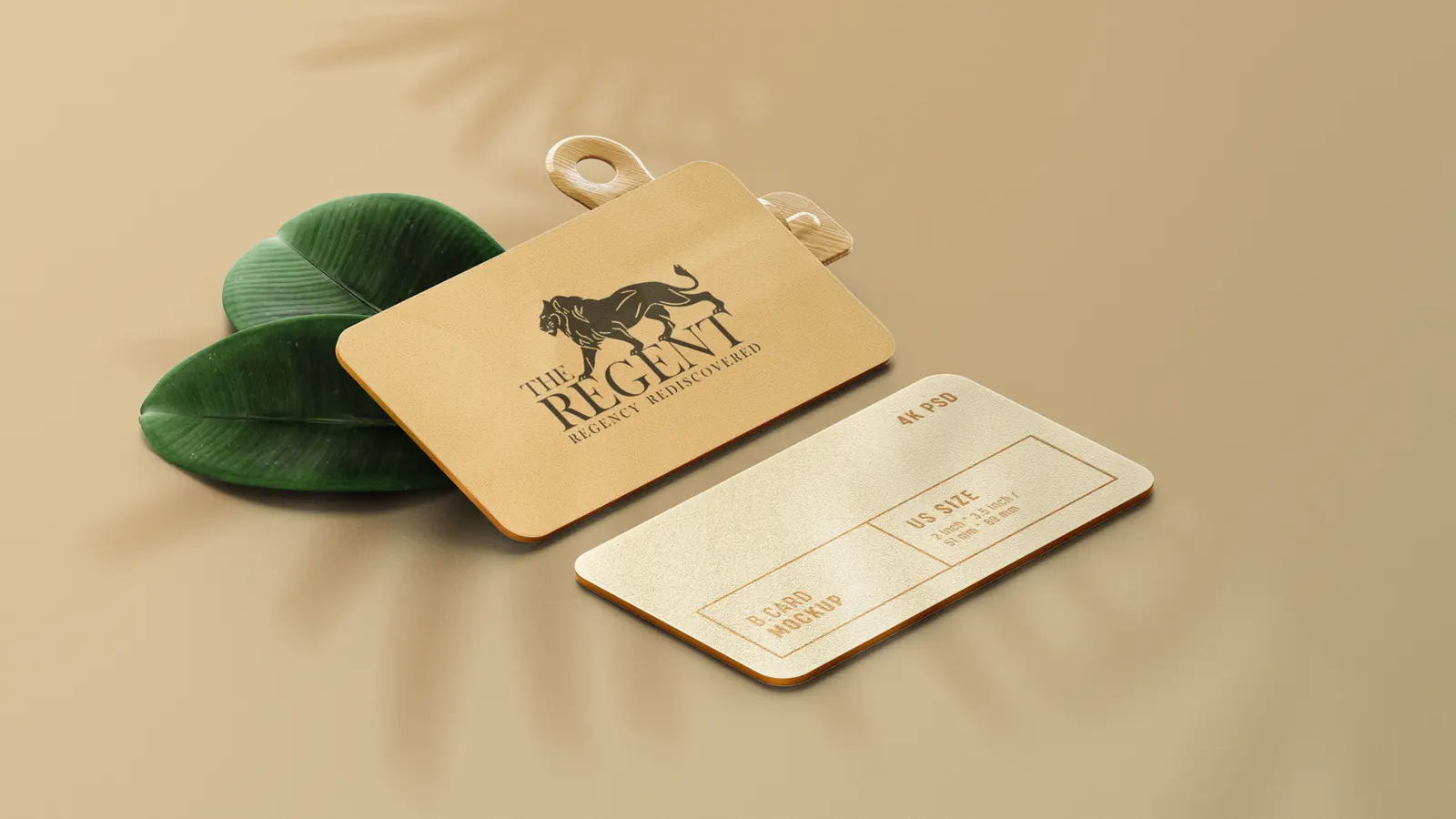
The Regent, a four-star hotel in Chandigarh reimagined from the iconic Hotel Regency, came to us with a negative brand image online. Our work paired brand identity and tone of voice with online reputation management, OTA listings and Google Business Profile optimisation. Every considered reply to a review is brand work and local search work at once. Read the hotel branding case study for The Regent.
Italian Coffee Academy in New Delhi had the opposite problem: nobody knew about the product and it had no online presence. Nobody searches for a name they have never heard, so we built an identity people could trust and made the academy findable through landing pages, Google Business Profile optimisation and performance marketing. See the Italian Coffee Academy brand and funnel case study.
How to measure SEO and branding in one report
Since November 2025, Google Search Console has offered a branded queries filter that splits performance data into branded and non-branded queries. Google says an AI-assisted system makes the split, so it catches misspellings and product names, and that some queries may occasionally be misidentified. It works on top-level properties with enough search volume. With it, a monthly report covers both disciplines:
- Non-branded clicks and impressions: is SEO reaching new buyers?
- Branded clicks and impressions: are more people searching for you by name?
- Enquiry source: ask on the form or first call whether people found you on Google or already knew your name.
- Reviews: count, rating and how quickly you reply, on Google and, for hotels, on OTA platforms.
- Conversion rate on key pages: a trusted brand turns more of the same traffic into enquiries.
Read the numbers together. Non-branded traffic rising while branded searches stay flat means people find you but do not remember you: a brand problem. Branded searches growing while non-branded traffic stays flat means new buyers cannot find you: an SEO problem.
SEO or branding first? How to split the effort
The answer depends on whether demand already exists for what you sell.
If people already search for your category
For a dentist in Jaipur or a packaging supplier, buyers already type the category into Google. Get the SEO basics right early: a fast site search engines can read, a complete Google Business Profile and one clear page per service. Give those pages a sharp position and a recognisable identity, or you will rank and still lose the click.
If your category is new or crowded
Branding comes first, because search volume follows awareness, and in a crowded category the brand is what separates ten similar results. Build positioning and identity, then use content and SEO to capture the searches the brand starts to create.
If you are already established
Audit the overlap. Search your own name, check that listings and reviews match the brand, and list the buyer questions your site does not yet answer.
Whatever the stage, plan the two as one programme with one owner. When SEO and brand sit with different vendors, the site fills with keyword pages that sound nothing like the brand. That is why our digital marketing team in Jaipur runs SEO, content, reputation management and ads in-house, as one team with the creative side.
Common myths about SEO and branding
- 'SEO is just keywords.' Google's starter guide says that content people find compelling and useful will likely matter more than any other suggestion in it. Keywords help Google understand a page; they do not make it worth ranking.
- 'Branding is just a logo.' A logo is one asset. The brand is the positioning, voice and experience behind it, and that is what earns mentions, reviews and repeat searches. We make the longer case in why branding is the new marketing.
- 'AI search makes SEO irrelevant.' Google says there are no special optimisations for AI Overviews and AI Mode: the same SEO fundamentals apply, and a page must be indexed and eligible for a snippet to appear as a supporting link. Clear pages from a recognisable source are what get cited.
Questions people ask
Does branding help SEO?
Yes, though indirectly. Google does not rank you higher for a good logo, but strong brands earn more name searches, links and reviews, and Google's local results weigh how well-known a business is.
Is SEO part of branding or part of marketing?
SEO is a marketing channel, while branding is what you stand for across every channel. They overlap in content, reputation and how your name appears in search, so they work best planned together.
Should a new business invest in SEO or branding first?
Settle the brand foundations first (positioning, name and identity), because every page you optimise will carry them. Then put the SEO basics in place straight away: a fast, readable site, a Google Business Profile and one clear page per service.
How long do SEO and branding take to show results?
Both compound over months rather than weeks. Technical fixes and a complete Business Profile can help early, while rankings for competitive terms and real brand recall need sustained effort. Google itself says no one can guarantee a number one ranking, so be wary of anyone who promises one.
How can I tell if my brand is growing in search?
Use the branded queries filter in Google Search Console and watch branded clicks and impressions month by month. Rising branded searches, alongside more reviews, are the clearest sign that people remember you.
Filed under Marketing. Written by the strategists at PixelOMedia, Jaipur.
Social media, Meta and Google ads, SEO and content, run in-house in Jaipur and measured in revenue.