
The Rise of Influencer Marketing in India: Trends, Pitfalls, and How to Get It Right
Creators now sit in most Indian marketing plans, and so do the mistakes. How to pick the right creators, brief them well, stay within the disclosure rules and measure what you paid for.
Influencer marketing in India works when you pay for trust rather than reach. That means a few creators whose audience already looks like your customer, a brief that lets them speak in their own voice, a clear label such as Ad or Paid partnership as the rules require, and a tracking link or code on every post. Skip any one of those four and you usually end up with views and little else.
Below: creator tiers and platforms, vetting, briefs, pricing models, the disclosure rules and measurement, written from the influencer and digital marketing work we run for hotels, a spice maker and an education brand.
Pick the creator tier for the job
Follower count is a rough guide to what a creator can do for you, not a measure of quality. These bands are industry conventions rather than rules:
- Nano, roughly 1,000 to 10,000 followers: close, local audiences. Good for a city launch, a restaurant or a hotel. Often paid in product or a stay, which still counts as a paid post.
- Micro, 10,000 to 100,000: defined niches such as food in Jaipur or budget travel in the Northeast. Usually the best balance of trust, cost and reusable content.
- Macro, 100,000 to 1 million: reach across a category and more polished production. Useful for launches where awareness matters more than a direct sale.
- Mega and celebrity, above 1 million: mass reach with the weakest link to a purchase. Worth it only when you can afford to repeat the exposure.
For most small and mid-sized Indian brands, the plan that works is a wide base of nano and micro creators with one or two larger names to anchor a launch. A food creator with 30,000 followers in Jaipur who genuinely eats at your restaurant will fill more tables than a celebrity reading out a generic caption.
Platforms, languages and the shifts worth planning for
Instagram Reels is still the default for consumer brands, with product tags and a Paid partnership label built in. YouTube holds the longer reviews and comparisons buyers check before a considered purchase, with Shorts in between. LinkedIn matters for B2B brands and founders, and the same rules apply there: ASCI's 2024-25 complaints report flagged 121 LinkedIn violations where professionals had not disclosed paid partnerships. Whatever the platform, keep your own social media active, because a curious viewer's next tap is your profile.
Language is the decision most brands leave too late. A Hindi, Marathi or Tamil creator speaking to their own city often reaches buyers a metro English creator never will. Decide it at the start, because it changes the creator list, the brief and the disclosure label, which ASCI expects in English or in the language of the post.
Three shifts are worth building in: brands moving from one-off posts to longer creator relationships, creator content being run as paid ads, which makes usage rights part of every deal, and closer scrutiny of disclosure.
Vet the creator before you pay
Most wasted influencer budget is lost at selection, not in the content. Ask for screenshots of the creator's audience insights, then check:
- Audience location and age: if you sell in Rajasthan and most followers live abroad, the post cannot sell for you.
- Engagement that reads like people: comments that respond to the content, not strings of emojis from the same few accounts.
- Growth that makes sense: a steady curve, not sudden jumps with no viral post to explain them.
- Past paid posts: how they performed against organic posts, and whether they were labelled. A creator who skips disclosure for others will put you at risk too.
- Category rules: for health, nutrition, banking, insurance or investments, ASCI expects creators giving technical advice to hold the relevant qualification and state it upfront.
Write a brief, not a script
Audiences can tell when a creator is reading your lines. A good brief is strict about facts and loose about voice:
- One objective: awareness, installs, store visits or sales, so the creator knows what a good post looks like.
- The audience and the one thing they should remember.
- Mandatories: product facts, claims you can prove, the link or code, and the disclosure label and its placement.
- Things to avoid: competitor mentions, claims you cannot back up, anything off-brand.
- Creative freedom: the hook, setting and story are the creator's call. That is what you are paying for.
- Usage rights and dates: where and for how long you can reuse the content, and when drafts are due.
If your positioning is clear, creators can tell your story without you writing it for them. If it is not, no brief will fix that, and the work starts with the brand. We explain why in branding is the new marketing.
Budgets and pricing models
There is no fixed rate card in India. Fees vary with tier, category, city, language and reuse. What you control is the model:
- Barter: product, a meal or a stay for content. Common with nano creators and hotels, and still a material connection that needs a label.
- Fixed fee per deliverable: a set price for a reel, stories or a video. The most common model for micro and macro creators.
- Usage rights: an extra fee to run the content as an ad or on your website and marketplace listings. Often the best value in the deal.
- Performance-linked: a lower fee plus commission through a unique code or affiliate link. Works for e-commerce, rarely for awareness.
- Retainers and ambassador programmes: a few creators posting regularly. Repetition builds trust that one-off posts cannot.
Budget beyond creator fees too: product and shipping, a shoot day if you want higher production, paid amplification of the best posts, and the time it takes to manage creators properly.
Disclosure: what the rules in India require
Disclosure is not optional, and responsibility sits with the brand as well as the creator. The Advertising Standards Council of India's Guidelines for Influencer Advertising in Digital Media (opens in a new tab) apply wherever there is a material connection between brand and creator. In January 2023 the Department of Consumer Affairs added its Endorsement Know-hows guide (opens in a new tab) for celebrities, influencers and virtual influencers, in line with the Consumer Protection Act, 2019. In practice:
- A material connection is more than money: free products (even unsolicited), discounts, gifts, trips, hotel stays, media barters and family or employment ties all count.
- The label must be upfront: not only in the bio, not at the end of a caption, not behind 'more' and not buried in hashtags.
- ASCI's permitted labels are Advertisement, Ad, Sponsored, Collaboration, Partnership, Employee, Free gift and Affiliate, plus Instagram's Paid Partnership and YouTube's Includes Paid Promotion tags.
- On video without caption text, the label goes on screen: at least 3 seconds for videos of 15 seconds or less, a third of the length up to 2 minutes, and the whole promoted section beyond that. Live streams announce it at the start and end.
- Virtual influencers must also make clear they are not a real person, and creators should not endorse what they have not used or checked.
Enforcement is real. In its 2024-25 Annual Complaints Report, ASCI said it investigated 1,015 influencer ads and that 98% required modification. A post pulled halfway through a launch costs far more than getting the label right.
Measure what you paid for
Set the measure before the campaign starts and match it to the objective. Likes on their own are not a result.
- Awareness: reach from each creator's insights, plus a rise in searches for your brand name in the following weeks.
- Consideration: saves, shares, profile visits, link clicks and comments asking about price or availability.
- Sales: orders through each creator's UTM link or code, and cost per order against your paid ads.
- Content value: how many creator assets you reused in ads and on product pages, and how they performed.
Collect an insights screenshot a week after each post and keep one sheet for the programme. After two or three campaigns you will know which creators, formats and cities earn their fee.
Pitfalls that waste spend, and what we have seen work
- Choosing creators by follower count instead of audience fit.
- One-off posts with no repeat, so the audience forgets the brand.
- Scripts that make the creator sound like an advert.
- No tracking link or code, so nobody can say what worked.
- Running influencer work apart from the rest of the plan, with no landing page, stock or ads ready when attention arrives.
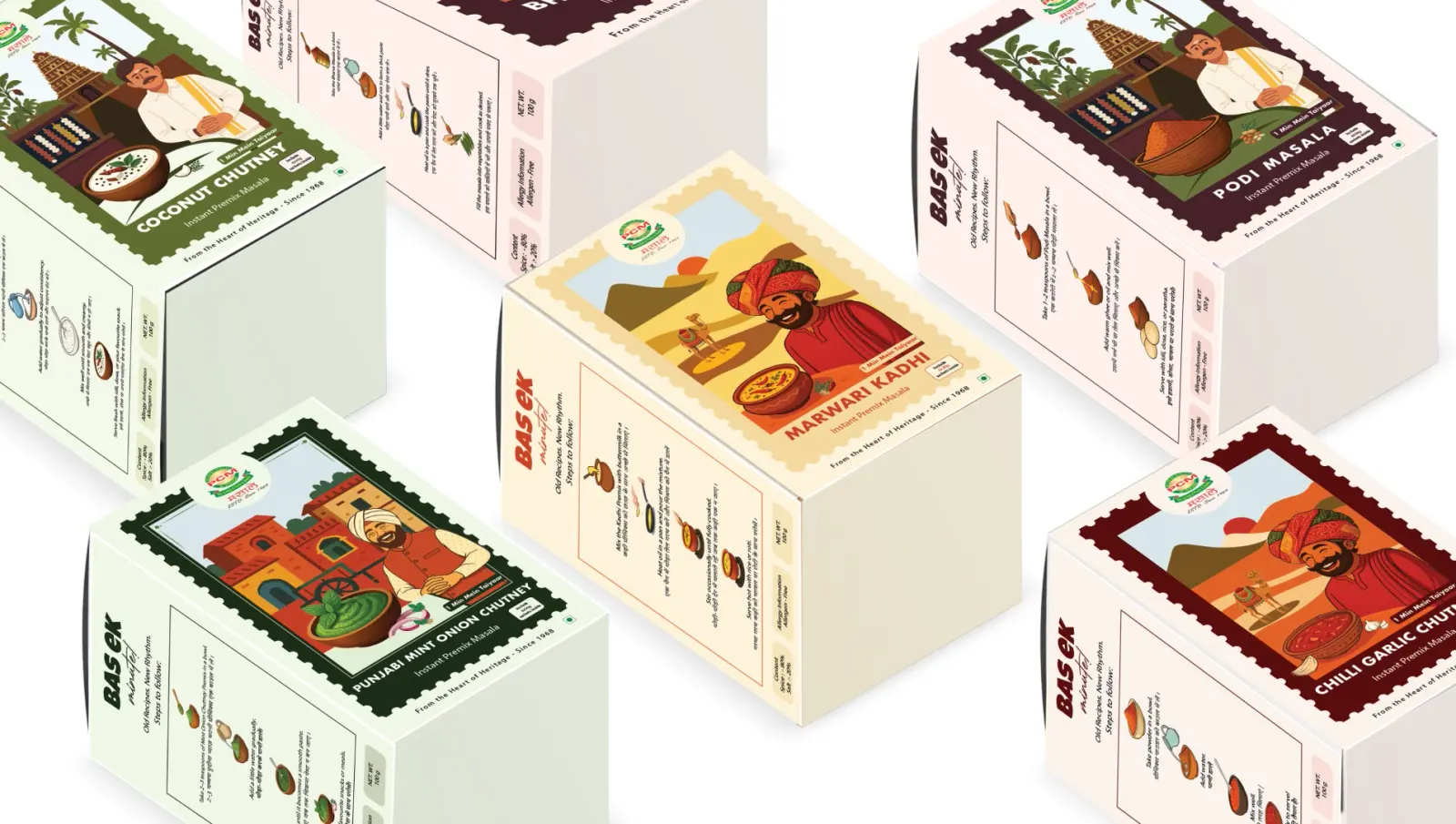
That last one is the most expensive. When we started with Ramada Gangtok, the hotel had no content library and was missing out on influencer collaboration altogether. Influencer outreach became one part of a wider plan with brand tone, cinematography, landing pages, OTA listings and reputation work, because creators send people somewhere and that somewhere has to be ready. For PCM Masale, a Jaipur spice brand with more than 45 years behind it, influencer outreach ran alongside product launches, marketplace management and performance marketing, so the attention had shelves to land on, Swiggy Instamart among them.
Influencer marketing is a channel, not a strategy. It amplifies a brand that knows what it stands for and exposes one that does not. Strong visuals help the story travel; our note on the power of visual storytelling covers that side.
Questions people ask
How much does influencer marketing cost in India?
There is no standard rate. Fees depend on the creator's tier, category, language, city and the usage rights you want, from barter for nano creators to large fixed fees for celebrities. Choose the pricing model first, and keep money aside to amplify the posts that work.
Is influencer marketing regulated in India?
Yes. ASCI's influencer guidelines require a clear label on any post with a material connection to a brand, and the Department of Consumer Affairs' Endorsement Know-hows guide, released in January 2023 under the Consumer Protection Act, 2019, sets the same expectation. Both the brand and the creator are responsible.
Does a creator need to disclose if I only sent free products?
Yes. Under ASCI's guidelines, free products, including unsolicited ones, count as a material connection, as do discounts, gifts and hotel stays. If the creator posts about your product, the post needs a label such as Ad or Collaboration.
How do you measure the ROI of influencer marketing?
Give every creator a unique UTM link or discount code and collect their insights a week after posting. Compare cost per order or per lead with your paid ads, and count the value of content you reuse. For awareness campaigns, watch searches for your brand name in the weeks after.
Filed under Marketing. Written by the strategists at PixelOMedia, Jaipur.
Content with a purpose, growth you can measure.