Why Branding Is the New Marketing for Indian Businesses
Ads rent attention, brands own it. How branding differs from marketing, why it now decides how well your marketing works, and how Indian businesses can invest in both.
Branding is the new marketing because the brand is the part of marketing that keeps paying back. Marketing is how you reach people this month: ads, offers, posts and launches. Branding is what they remember about you once the campaign ends, and whether they pick you when they are finally ready to buy. When every competitor can buy the same ads on the same platforms, the brand is the one advantage they cannot copy, so it now decides how well the rest of your marketing works.
That does not make marketing less important. It means marketing without a brand behind it is rented attention, and the meter resets every time you stop paying. Below: what separates the two, why the balance has shifted, what the evidence says, and how to invest in brand without starving sales.
Branding vs marketing: what is the difference?
Branding is the work of deciding who you are, who you are for and why you are different, then expressing it the same way everywhere: name, positioning, voice, logo, colour, type, packaging and the experience of buying from you. Marketing is the work of taking that brand to market: choosing audiences and channels, running campaigns, making offers and turning interest into sales.
A simple way to hold it: branding answers why anyone should care about you, and marketing answers how they hear about you and what you want them to do next. In practice they differ on five counts.
- The question. Branding asks who we are and why anyone should choose us. Marketing asks who should hear it, where, and with what offer.
- The time horizon. A brand is built over years and changes rarely. Campaigns run for days or weeks and change constantly.
- What it builds. Branding builds recognition, trust and the ability to charge a fair price. Marketing builds reach, leads and sales in the period it runs.
- How you measure it. Brand shows up in people searching for you by name, direct enquiries, reviews, repeat purchase and fewer requests for discounts. Marketing shows up in clicks, cost per lead, conversion rate and return on ad spend.
- What happens when you stop. Pause marketing and demand dips within weeks. Neglect the brand and the damage is slower, quieter and much harder to reverse.
They are not rivals. Branding comes first because it gives marketing something worth saying, and marketing carries the brand to enough people to matter.
Why branding now does the heavy lifting
For a long time, a business in India could grow on distribution and price alone. Four shifts have made that much harder.
Everyone bids in the same auctions
Your competitors bid for the same audiences on the same few ad platforms, and anyone with a budget can match your targeting. What they cannot match is a name people already recognise, which is why a known brand usually gets more from the same impression than an unknown one.
The shelf has become an endless scroll
On marketplaces and quick-commerce apps, your product sits among near-identical listings, often a few rupees apart. When PCM Masale, a Jaipur spice house with more than 45 years behind it, took its range online and onto quick commerce, the work covered brand tone, content, marketplace management and launches together, because a listing alone cannot carry decades of credibility. The PCM Masale case study shows how those pieces fit.
Customers check you before they call
Before anyone enquires, they check your Instagram grid, Google reviews, website and sometimes your founder's LinkedIn. If those places look like three different companies, trust drops before you have said a word. Consistency is not decoration. It is evidence that a business is run with care.
Search and AI recommend names they can find
More buying journeys now start with a question typed into Google or an AI assistant: which agency, which hotel, which spice brand. Those tools can only recommend businesses they find described, reviewed and discussed across the web. A brand people search for by name is far easier to recommend than an anonymous one. We go deeper on this in SEO vs branding.
What the evidence says about brand and sales
The best-known evidence comes from advertising effectiveness research by Les Binet and Peter Field for the IPA, the UK's Institute of Practitioners in Advertising. Their 2013 report, The Long and the Short of It, found the optimum budget split was about 60:40 between brand building and sales activation. A later IPA report, Effectiveness in Context, put it at 62:38, almost the same point.
Two cautions. The data comes from established advertisers, not Indian startups, and the ratio is an average across many categories, so treat it as a direction rather than a formula: a new D2C brand or a B2B firm with a long sales cycle will set its split differently. The direction still matters: a business that puts almost everything into short-term activation is trading future growth for this quarter's numbers.
The logic is simple. At any moment, only a small share of the people who could buy from you are ready to buy. Activation catches those few. Brand building reaches everyone else, so that when their moment comes, your name is the one they remember. Marketing scientists call this mental availability: how easily a brand comes to mind in a buying situation.
What this means for Indian startups and SMEs
India has no shortage of good products. What it has is a crowd of businesses that look and sound alike: the same stock-style creatives, the same discount-led posts, logos made over a weekend. In that sameness, a clear position and a consistent identity get noticed simply because they are different.
Two kinds of business feel this most. New brands, because every rupee of advertising has to introduce them from scratch. And legacy businesses with excellent products and decades of offline trust, whose brand never made the move online.
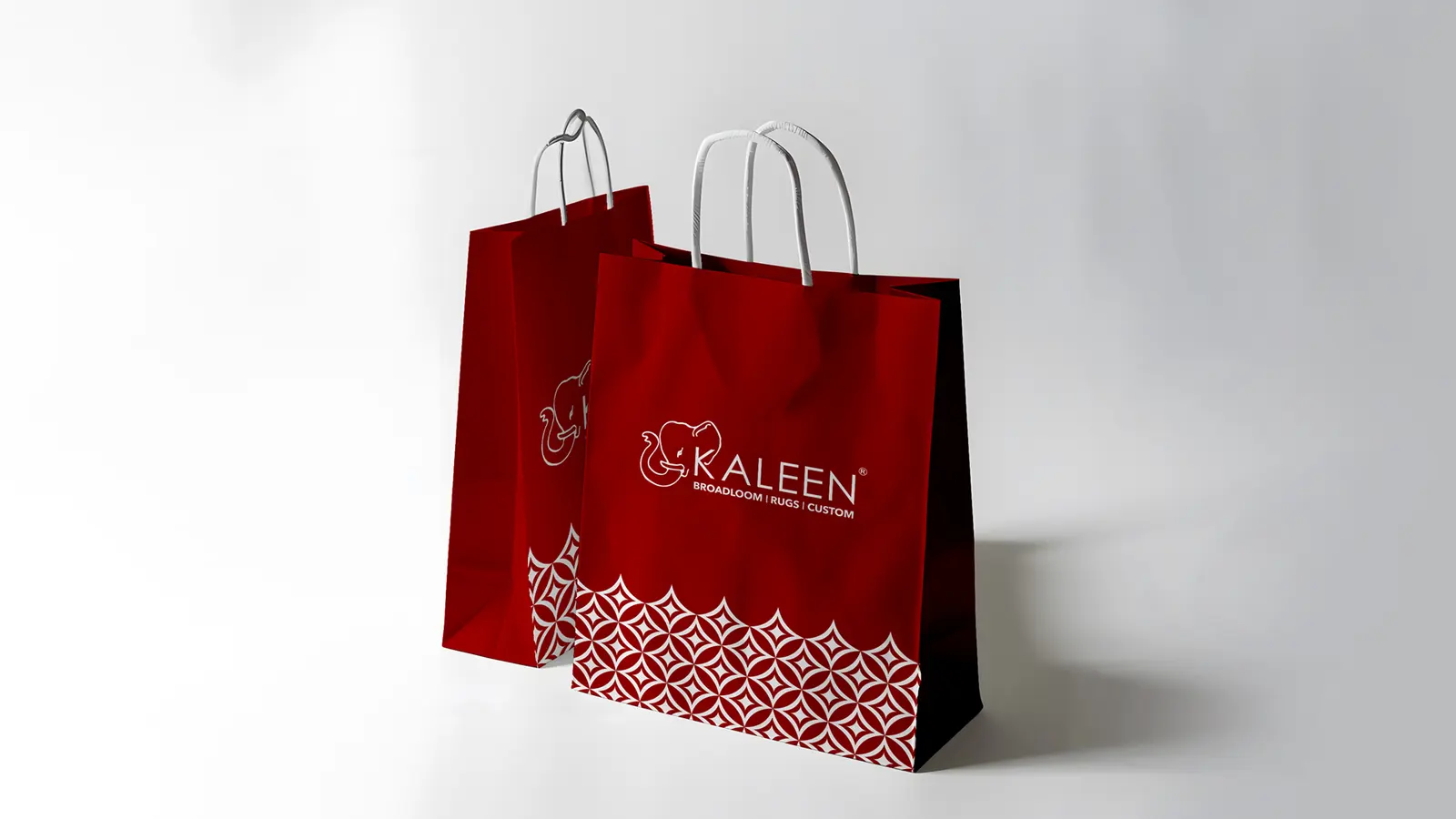
Several of our clients are the second kind. Kaleen India has more than 60 years in textiles and runs production from its Jaipur headquarters across units in Mirzapur and Panipat, yet the problems we were brought in to solve included missing out on modernity and a weak digital presence. Dhabriya Polywood, a BSE-listed manufacturer established in 1992, came to us with no defined brand voice. In both cases the business was strong. The brand had not kept pace with it, so marketing had very little to amplify.
How to invest in branding without starving marketing
You do not need a TV budget to build a brand. You need a clear idea, applied consistently, for long enough. In order:
- Get the positioning right first. Write one sentence on who you serve, what you offer and why you rather than the alternative. If your team cannot agree on that sentence, no campaign will fix it. This is the core of our brand strategy and positioning work.
- Build a compact identity system: logo, colour, type, photography style and tone of voice, written down in simple guidelines. Our guide to building a brand identity walks through each step.
- Fix the touchpoints people check most: Google Business Profile, Instagram, website, packaging and your WhatsApp catalogue. Make them look and sound like one company.
- Split the budget on purpose. Decide what share builds the brand (story-led content, films, PR, a steady social presence) and what share drives activation (offers, performance ads, retargeting). Use the 60:40 research as a starting point, then adjust for your stage.
- Measure the brand, not just the campaign. Track searches for your name, direct enquiries, reviews, repeat purchase and how often you are asked for a discount. These move slower than clicks, which is why they need watching.
Consistency matters more than budget size. Epoxyium, a Jaipur furniture brand fusing solid wood with epoxy resin, came to us with a low advertising budget and no brand identity, so the work centred on a unified content strategy across social media, content and campaign planning rather than on heavier ad spend.
Signs your marketing is missing a brand
- Sales rise when ads run and fall the week they stop.
- You win mostly on price, and customers ask for a discount before they ask anything else.
- Your logo, Instagram and website each describe a slightly different business.
- Customers cannot say in one sentence why they chose you over the shop next door.
- Your sales team re-explains who you are on every call.
- Each new agency or freelancer has rebuilt your look from scratch.
If three or more sound familiar, more ad spend will mostly buy more of the same. Fix the brand underneath first.
One brand across every channel
When strategy sits with one consultant, design with a freelancer, social with another agency and ads with a performance shop, nobody owns the whole picture. Your logo says one thing, your Instagram another and your website something else, and customers feel the gap even when they cannot name it.
That is why we work as a strategy-first creative branding agency in Jaipur: positioning, identity, content, production, websites and marketing under one roof, so the brand people meet in an ad is the brand they meet at checkout. Our shorthand for it is soch se sales tak, from the first idea to the sale. Whoever you hire, ask for that joined-up view.
Questions people ask
Is branding more important than marketing?
Neither works well alone. Branding makes marketing more effective because people recognise and trust what they see, and marketing is how the brand reaches enough people to grow. If you must choose a starting point, start with brand clarity.
What comes first, branding or marketing?
Branding, at least the foundation: positioning, a name, a core identity and a tone of voice. You can run marketing before the brand is finished, but campaigns built without that base tend to look generic and get replaced every few months, so the spend never compounds.
How should a small business split its budget between brand and marketing?
There is no fixed rule. IPA research by Les Binet and Peter Field found the most effective split for established advertisers was roughly 60 per cent brand building and 40 per cent sales activation. A new business may lean towards activation early to get cash flowing, then shift towards brand as it grows; the mistake is putting nothing into brand at all.
How long does branding take to show results?
Some effects often show early, such as better enquiries and fewer price objections once everything looks consistent. The bigger gains, like people searching for you by name, build over months and years, which is why brand needs a steady budget rather than a one-off project.
Filed under Branding. Written by the strategists at PixelOMedia, Jaipur.
Every brand starts with clarity.